Timor Leste: Blue Whale Highway
Timor-Leste Trip Report – November 2025 – Pete McGee
Looking for an unspoilt destination for an ocean adventure? Timor-Leste might be exactly what you’re after. Last November, I had the pleasure of leading a group to this wonderful corner of Southeast Asia. Over two weeks we explored some of the region’s best diving and whale encounters while enjoying the country’s warm hospitality and vibrant local culture. (I liked it so much I’m returning in 2027).
We based ourselves first in the mainland capital, Dili, before transferring to nearby Atauro Island. Our itinerary was a balance of whale-watching/swimming and diving —an ideal combination as it turned out.
What to Expect
With more than 20 species of cetaceans recorded in local waters, visitors can expect an impressive range of whales and dolphins, including seasonal blue and sperm whales. Timor-Leste, and Atauro Island in particular, is also home to some of the most pristine and biodiverse hard coral reef systems in the world.
The Country
Timor-Leste (East Timor) is a small developing nation just north of Australia. Although rich in natural resources, it has the smallest economy in Southeast Asia. Much of the countryside, coastline and ocean remains untouched, offering travellers a sense of discovery that’s becoming rare.
Dili is a small, energetic coastal city nestled between the sea and steep hills. We dived and whale-watched and stayed with Dive Timor Lorosae, a long-established and well-organised operator. The guest house and apartments were simple but extremely convenient, with cafés, a supermarket and restaurants all within walking distance. Castaway Bar and Restaurant—right next door—proved especially handy during our stay.
Whales
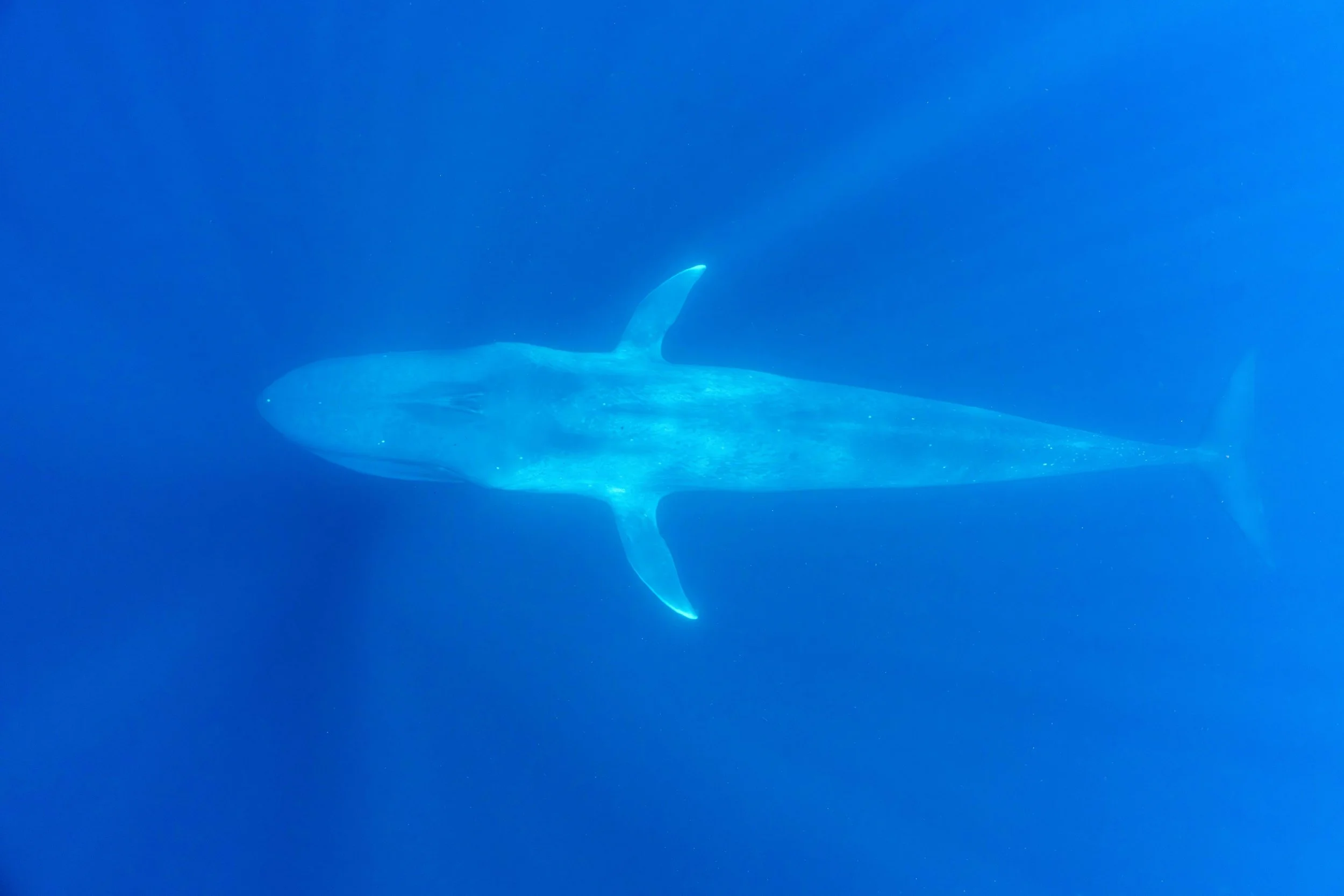
Late October to early December sees pygmy blue whales migrating past Timor—and our trip was planned in this window. These whales are a smaller sub-species of the Antarctic blue whale, though at around 24 metres long, “pygmy” is hardly apt.
Swimming with whales in Timor-Leste is never guaranteed. We spent three full days at sea seeing numerous whale and dolphin species from the boat before everything finally aligned. When the moment came—and our group entered the water with a blue whale—it was nothing short of euphoric. Each guest had a couple of successful in-water sighting as these giants swam by.
After leaving Dili for Atauro Island, the whale encounters continued. Another day we found a large pod of short-fin pilot whales—shy and difficult to approach, but with patience we managed a few distant swims. Reports of sperm whales then drew us further offshore.
Soon enough we sighted sperm whales. Over the next two hours we had about ten drops, with almost as many sightings. Sperm whales, the largest toothed predators on Earth, have long captured the human imagination—from legendary sea battles to literary icons like Moby Dick. Being in the water with them was an unforgettable privilege and another highlight of the trip.
Diving from Dili
Dili offers several quality shore dives, including both reef and muck sites, as well as dive sites along the coastline to the east and west. All are good quality dives sites with some more suited to either macro or wide-angle photography. Water temp was warm (30 degrees) with good viz (generally 10m+)
Coastal Shore Dives
The 2-hour drive along winding, single-lane roads to reach these dive sites, allowed us to see a little of the country.
Behau Village & Bob’s Rock:
Both sites offered sloping reefs with healthy corals and abundant small reef fish. Highlights included splendid dottybacks (one of my favs), squarespot anthias, four anemonefish species, damselfish, wrasses, sweetlips, cardinalfish, and garden eels on the sandy slopes.
K41:
Two days later we headed east again to the well-known K41 site for a double dive.
• Dive 1: A recently scuttled patrol boat, now home to batfish, butterflyfish, snowflake morays, whip coral shrimps, angelfish and—and at the safety stop—a prized solar nudibranch.
• Dive 2: A spectacular wall, covered with sponges, ascidians, hard and soft corals, and a wide variety of fish life. Two quality, different dive sites only 200 metres apart.
Dili Rock
In Dili we dived a site called Dili Rock with a manageable, pebble beach entry. Being a city site we weren’t expecting much. We descended along the reef edge, down the slope to 20m, stopping to photograph mushroom coral pipefish, a longnose hawkfish perched in a fan, and a variety of nudibranchs and reef fish. A very enjoyable dive that exceeded expectations.
Atauro Island
Atauro Island is located about 1.5 hours from Dili by speedboat, remains refreshingly undeveloped. Accommodation is basic and food options limited. What it does offer, however, is access to some of the most biodiverse reefs anywhere on the planet, mainly via boat.
Haruina was assessed by Conservation International as the most biodiverse site in the world. A good way to start! The site featured spectacular hard corals and a dramatic deep-water drop-off. The site was teeming with smaller fish, with the abundance and variety of reef life remarkable.
The house reef at Atauro Dive Resort delivered an outstanding night dive, offering a wide range of nocturnal species, shrimps, nudibranchs, and several bobtail squid along the sandy slope.
The western side of Atauro is remote, colourful and breathtaking. Sloping reefs and walls were densely covered in corals, sponges and sea fans. Schools of pyramid butterflyfish, pink-tooth triggerfish and fusiliers moved through the blue as we drifted past in warm, crystal-clear water. These were easily some of the most impressive dives of the trip.
Highlights & Conclusions
Timor-Leste is a destination worth visiting now. Its combination of world-class whale encounters and pristine coral reef diving is rare—and currently accessible at very reasonable prices. Increased demand may eventually change the character of the place, so those seeking an authentic, adventurous experience will be rewarded for going sooner rather than later.
With daily one-hour flights from Darwin and regular connections from Bali, Timor-Leste is closer and more accessible than many other international dive destinations.
If you’re after adventure — the chance to see some of the ocean’s most extraordinary wildlife—Timor-Leste may be the perfect choice. Here are the details for the 2027 trip.
Pete McGee
